

Hysteroscopy
A hysteroscopy can be both diagnostic to identify the problem, and operative to treat the problem simultaneously. As a minimally-invasive procedure, a hysteroscopy has the advantage of supporting an accurate diagnosis, efficiently diagnosing and treating issues simultaneously, and allowing faster recovery with fewer complications.
What is a hysteroscopy?
A hysteroscopy is a minor, minimally-invasive surgical procedure used to examine the lining of your uterus. It can be used for both diagnosing conditions of the uterus, including those causing infertility, as well as often treating them.
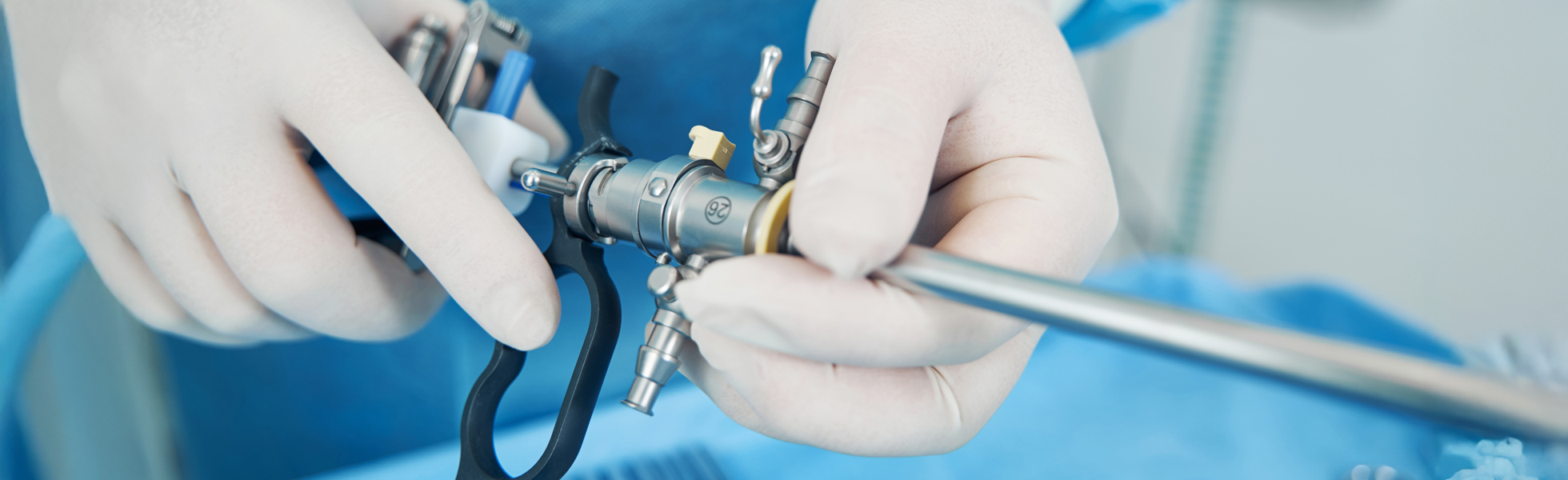
The hysteroscopy procedure involves inserting a thin tube (the hysteroscope) equipped with a camera through your cervix into your uterus under general anaesthesia. During a hysteroscopy, a small tissue sample is often taken at the same time and sent for laboratory analysis.
A diagnostic hysteroscopy typically takes approximately 15-20 minutes, while an operative hysteroscopy can take up to an hour, depending on the treatment needed. Hysteroscopic procedures are usually performed as day surgery, meaning you can expect to go home on the same day.
What is a hysteroscopy used for?
Hysteroscopy is the most commonly performed gynaecological procedure and has a wide range of uses. It can be used for:
- Investigating abnormal bleeding, including heavy menstrual bleeding, bleeding between periods, or after sexual intercourse
- Confirming a diagnosis of uterine polyps, fibroids, adhesions, or other abnormalities of the uterus
- Surgically removing uterine polyps (hysteroscopic polypectomy), fibroids (hysteroscopic myomectomy), and scar tissue
- Investigating causes of infertility, including difficulties conceiving, unsuccessful in vitro fertilisation (IVF), or experiencing recurrent miscarriages
- Ruling out the presence of pre-cancerous cells or uterine cancer
- Managing complex intrauterine device (IUD) situations, where outpatient IUD removal is not feasible or recommended
Alternatives to a hysteroscopy can be used for diagnosis or treating uterine conditions, though have limits not found with hysteroscopy. For example, an ultrasound or pelvic exam may diagnose uterine polyps and fibroids, but has no use in removing these growths, meaning you will still need another appointment for the surgery. However, every procedure and test has its uses in different situations. Dr Sam will advise you whether he recommends you undergo a hysteroscopy or whether it is sensible to consider a less invasive diagnostic assessment first.
What happens during the hysteroscopy procedure?
A hysteroscopy is usually performed under general anaesthesia, meaning you will be asleep during the procedure and won’t feel any discomfort or pain. Less frequently, Dr Sam may organise for you to have a spinal or local anaesthetic.
You’ll be asked to lie on your back with your legs supported in a raised position. Dr Sam passes a long, thin tube with an attached camera and light source through your vagina and cervix until it reaches your uterus. The images received by the camera are shown on an external screen in real time, so he can analyse the tissues of your uterine lining for abnormalities as well as perform surgery if required. The tools needed for any surgical procedures or for the biopsy can be passed through the hysteroscope tube rather than requiring incisions through your skin.
Recovery after a hysteroscopy
Dr Sam performs most hysteroscopies as day procedures, though on occasion you may be required to stay overnight in the hospital.
Some women may experience abdominal pain, cramping, or period-like bleeding for a few days after their hysteroscopy. Discomfort is usually well-managed with pain medications, and you can use sanitary pads for the bleeding as you would for a normal menstrual period. If your job is generally sedentary, you are likely to be able to return to work the next day.
To minimise your risk of complications and support a smooth recovery after a hysteroscopy, it’s important to avoid:
- Using tampons
- Driving for the following day
- Operating heavy machinery for the next 24 hours
- Strenuous exercise or heavy lifting until you feel well, at least for the following 24 hours post-op
- Sexual intercourse for a week post-op
Hysteroscopy risks
A hysteroscopy is considered to be a very safe procedure but it’s worthwhile being aware of the possibility of complications, which include:
- An infection inside your uterus
- Accidental damage to your cervix or uterus
- Uncontrolled bleeding
- An allergic reaction to the general anesthetic
If you experience severe abdominal pain, heavy vaginal bleeding, a foul-smelling vaginal discharge, fever, or pain during urination, contact Dr Sam or immediately attend your closest hospital emergency department.
Expert hysteroscopy in Sydney with Dr Sam Daniels
Dr Sam Daniels has honed his clinical skill in the various advanced techniques needed for comprehensive gynaecology care for over years. With a special interest in uterine disorders including fibroids and abnormal menstrual bleeding, Dr Sam is highly experienced in utilising hysteroscopy for both diagnostic and therapeutic purposes.

Frequently Asked Questions
No, as you’ll be asleep under general anaesthesia, you won’t feel any pain or discomfort during the hysteroscopy procedure itself. After your procedure, you may experience some mild period-like cramps and abdominal discomfort, but a hysteroscopy is usually well-tolerated and not considered painful.
Dr Sam offers diagnostic and operative hysteroscopy at the Northern Beaches Hospital, Macquarie University Hospital, and North Shore Private Hospital.
Yes, the hysteroscopy is considered to be a safe procedure with a very low risk of complications. The risks are slightly higher if treatment is carried out at the same time, such as a myomectomy (removal of uterine fibroids) or polypectomy (removal of uterine fibroids).
Specialist care for women’s health concerns
Comprehensive care with Dr Sam Daniels is available across multiple Sydney locations, including urgent gynaecologist appointments for time-sensitive cases.