

Pelvic Organ Prolapse
Up to 50% of Australian women have some degree of pelvic organ prolapse but only around 20% of these will seek help from a medical professional. If you’ve noticed a bulge or mass in your vagina or can feel a heavy sensation in the area, it’s important to seek care from a gynaecologist experienced in managing pelvic organ prolapse. Though not all cases will need surgery, a proper diagnosis and treatment plan can prevent the prolapse from worsening and relieve your symptoms.
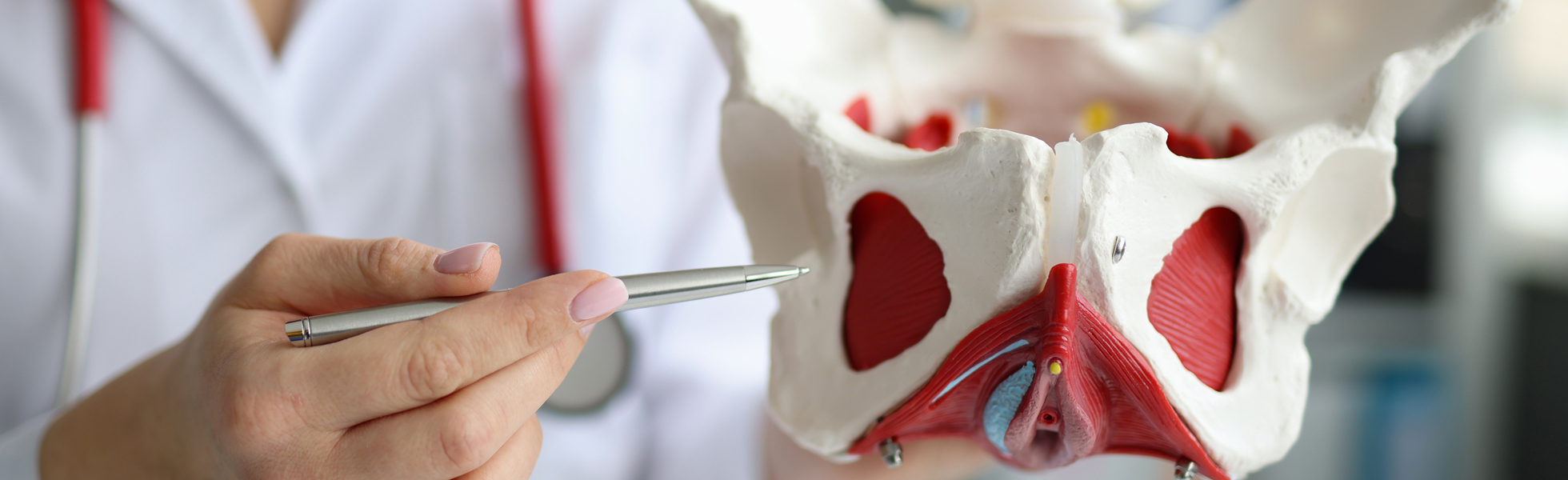
What is pelvic organ prolapse?
A pelvic organ prolapse occurs when the supporting connective tissues around your pelvic organs weaken, causing these organs to drop or sag into your vagina.
The pelvic organs are those found between your abdomen and thighs, including your bladder, uterus and other reproductive organs, bowel, and rectum. Ligaments, your pelvic floor muscles, and other tissues form a support structure to keep these organs in place. When these supports tear or weaken, your pelvic organs can protrude either through the front or back vaginal wall, causing uncomfortable symptoms. Pelvic organ prolapse can be found in women of any age, though is most common among women who have been through menopause or childbirth.
What causes a pelvic organ prolapse?
Excess strain on your pelvic floor combined with weak connective tissue support around your pelvic organs can cause a pelvic organ prolapse.
Common causes and risk factors for pelvic organ prolapse include:
- Childbirth, due to the strain and pressure of pushing a baby through the birth canal
- Menopause, as oestrogen levels decline and pelvic floor muscles lose their elasticity
- Frequent constipation, as straining on the toilet puts pressure on the pelvic floor
- Being overweight or obese
- Chronic coughing, often associated with respiratory conditions such as asthma or from smoking
- Lifting heavy objects, whether lifting weights during physical exercise or even carrying children and pets
Is pelvic organ prolapse genetic?
There may be a hereditary factor to pelvic organ prolapse, with women being at over 2.5 times greater risk of a prolapse if they have a close family member with the condition. It’s thought that these shared genes can pass on a tendency for poorer connective tissue development or a weaker pelvic floor. Having a known connective tissue disorder in your family, such as Ehlers-Danlos syndrome or Marfan syndrome, can also increase your risk of developing a pelvic organ prolapse.
Pelvic organ prolapse symptoms
Not all women will notice they have a prolapse. In some cases, it’s an incidental finding when you have a medical examination of your vaginal area, such as during a cervical screening test.
If the condition is more advanced, you may notice pelvic prolapse symptoms such as:
- A discernable bulge or lump in your vagina
- A sensation of heaviness, fullness, or pressure inside your vagina
- Difficulty with fully emptying your bowel or bladder
- Bowel or urinary incontinence
- Lower back pain
- Recurrent urinary tract infections
- Pain during sexual intercourse
Some women find that their discomfort is worse toward the end of the day, especially if you’ve been on your feet for a long time. Lying down may help to improve your symptoms.
Pelvic organ prolapse repair with Dr Sam Daniels
A consultation with Dr Sam to investigate pelvic organ prolapse involves discussing your symptoms and medical history, as well as doing a physical pelvic examination with your consent. You may also need further testing to help guide management of other aspects of the condition, such as a bladder function test or urine test.
Having a pelvic examination may feel awkward at first but it’s a critical part of the consultation. Dr Sam treats all his patients with sensitivity and respect, and will ensure to preserve your dignity during his examination. A physical assessment allows him to:
- Grade the prolapse using a four-stage system to determine which treatments are likely to be the best balance between benefit and risk
- Determine the tone and function of your pelvic floor muscles
- Identify which pelvic organs are involved in the prolapse
Understanding the extent and nature of your prolapse informs Dr Sam’s treatment decisions. Pelvic organ prolapse treatment may either be conservative and non-surgical or require a surgical approach.
Non-surgical pelvic organ prolapse treatment
Pelvic floor physiotherapy
Pelvic floor physiotherapy is often the first recommendation, especially for mild stages of pelvic organ prolapse. Dr Sam may refer you to a pelvic floor physiotherapist, who will guide you through exercises to strengthen and regain control of your pelvic floor muscles.
Behavioural changes
If lifestyle or behavioural factors are contributing to your prolapse, understanding how to minimise or eliminate these factors can help to improve mild cases and prevent the situation from worsening. Lifestyle strategies include improving your diet and fluid intake to avoid constipation and straining on the toilet, managing your body weight if you are overweight or obese, or quitting smoking to improve a smoker’s cough.
Vaginal pessary
A vaginal pessary is a removable silicon device used to support your pelvic organs and must be properly fitted to your body by a specialist to be effective. Once placed into your vagina, a pessary can provide immediate and significant symptom relief from pelvic prolapse.
Pelvic organ prolapse surgery
There are several different approaches to pelvic organ prolapse surgery. Depending on the specifics of your prolapse and your personal preferences, Dr Sam may perform the prolapse repair as a conventional laparoscopic operation or with a robot-assisted approach.
Frequently Asked Questions
Yes, it is possible to have a pelvic organ prolapse without realising, especially if your symptoms are mild or dismissed as being due to something else. Some women with a prolapse may not have any symptoms at all.
Dr Sam will recommend which treatment he believes is most appropriate for your case after a comprehensive examination. If your prolapse is only mild, pelvic floor physiotherapy is typically the first-line treatment. For more severe prolapses, Dr Sam will discuss your options for surgery to strengthen the support for your pelvic organs, which can involve conventional laparoscopic surgery or robot-assisted surgery.
Specialist care for women’s health concerns
Comprehensive care with Dr Sam Daniels is available across multiple Sydney locations, including urgent gynaecologist appointments for time-sensitive cases.