

Colposcopy
A colposcopy is a diagnostic test to examine your vulva, vagina, and cervix. Your GP or other healthcare practitioner may refer you to Dr Sam Daniels for a colposcopy if your regular cervical screening test returned an abnormal result.
What is a colposcopy used for?
The most common use for a colposcopy is as a follow-up investigation after receiving abnormal results from your cervical screening test (formerly called a pap smear). It is also useful for examining your vagina and cervix if you have unexplained bleeding between menstrual periods, unusual vagina discharge, or to assess an abnormal growth.
Early detection of abnormal cells in your cervix is vital for timely life-saving treatment to prevent the progression of pre-cancerous cells into cervical cancer.
A colposcopy procedure can also be helpful for diagnosing:
- Inflammation of your cervix (cervicitis)
- Cervical polyps, which are non-cancerous growths
- Cancerous or pre-cancerous changes in your vagina or vulva
- Genital warts
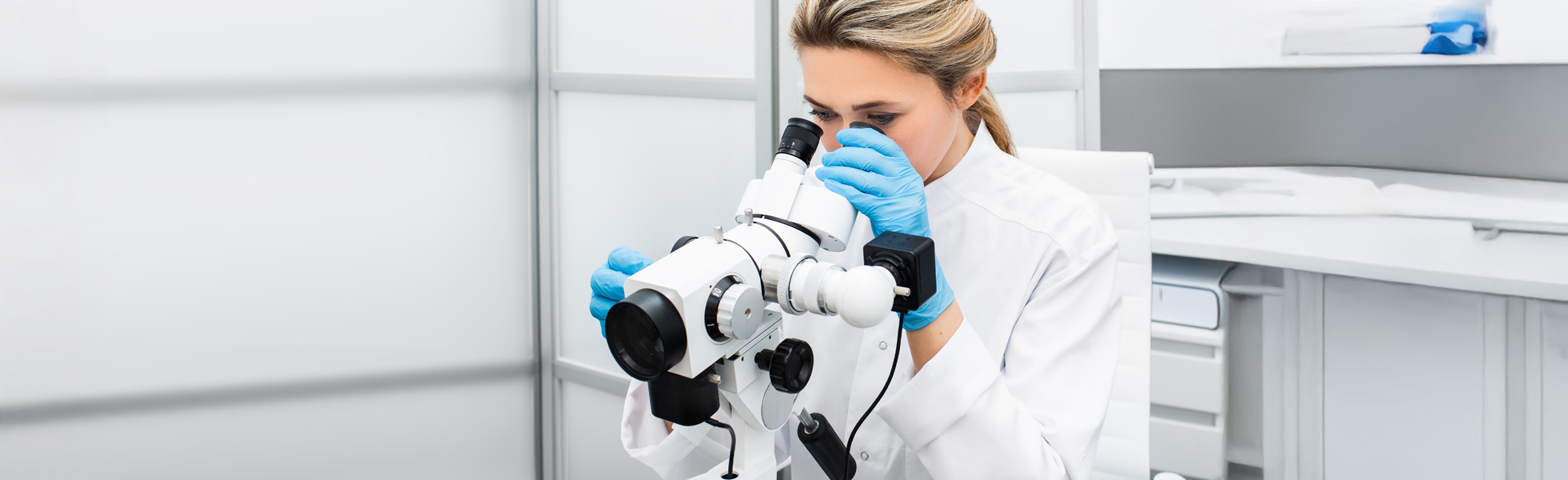
A colposcopy is not a surgical procedure. It is a type of non-invasive diagnostic examination using a colposcope, a specialised microscope that provides a magnified view of your cervix.
What happens during a colposcopy procedure?
A colposcopy is usually performed as an in-office procedure in Dr Sam’s clinic. You’re not likely to require anaesthesia, and simple analgesia can be taken ahead of time to minimise any discomfort.
Once he has explained the procedure to you and you’ve given consent, you’ll be asked to lie on your back with your legs raised. A speculum (similar to that used during a cervical screening test), is used to open your vagina so that the colposcope can view your cervix. A mild acidic solution and brown iodine dye may be applied to your cervix, which highlights any abnormal cells and makes them easier to identify.
The colposcope is positioned just outside your vagina. Other than the speculum, the dye and acid solution, and instruments to take a biopsy if necessary, nothing else is inserted into your body.
Dr Sam can complete the colposcopy procedure within 10-15 minutes. During the examination, you may feel some discomfort and period-like cramps, but colposcopies are typically well-tolerated by most women.
Recovery after a colposcopy procedure
If you didn’t need a cervix biopsy during your colposcopy, you can return to your day immediately. If you did need a biopsy, you’re likely to have cramps for about a day, which can be managed with off-the-shelf pain medication, and some vaginal discharge or spotting.
For the following few days after your colposcopy, Dr Sam recommends avoiding:
- Sexual intercourse
- Inserting anything into your vagina, including tampons or other feminine hygiene products
- Swimming
- Bathing (showering is okay)
- Intense physical exercise
Colposcopy risks
As a non-surgical, non-invasive procedure, colposcopy comes with very few risks. The potential for complications arises if you require a cervix biopsy.
If anything doesn’t feel right after your colposcopy, such as a foul-smelling vaginal discharge, heavy bleeding persisting for more than five days, severe pelvic pain, or a fever, you should contact Dr Sam or immediately attend your closest hospital emergency department.
What happens if the colposcopy biopsy is abnormal?
An abnormal colposcopic biopsy result will need further surgical management to prevent progression of the abnormality into cervical cancer. This operation is known as a LLETZ (large loop excision of the transformation zone) or LEEP procedure (loop electrosurgical excision).
The LEEP procedure does require hospital admission but you are likely to be discharged on the same day. Under general anaesthesia, a heated wire loop is used to remove the outer cells of the cervix. This electrosurgical procedure takes around 10-20 minutes.
Colposcopy on the Northern Beaches with Dr Sam Daniels, gynaecologist with C-QuIP certification
Dr Sam Daniels is a highly experienced gynaecologist in Sydney with C-QuIP certification from the Royal Australian and New Zealand College of Obstetricians and Gynaecologists (RANZCOG). The Cervical Quality Improvement Program (C-QuIP) is a quality assurance training program for specialists who regularly provide colposcopy for abnormal cervical screening results. With this additional C-QuIP certification, Dr Sam is endorsed by RANZCOG as having the knowledge and skills to perform safe and effective colposcopy services according to Australian standards.

Frequently Asked Questions
Women who undergo a colposcopy procedure for suspicion of pre-cancer or cancer can access a rebate from Medicare. To receive this rebate, please ensure you have a valid referral to Dr Sam from your GP.
Yes, a referral from your GP to your gynaecologist will entitle you to receive the Medicare rebate for a colposcopy. GP referrals are typically valid for 12 months. It is possible to have a consultation without a referral, but you will then not be eligible for Medicare support.
No, a colposcopy is not considered a painful procedure. However, you may experience some discomfort and period-like cramping during the procedure. If you need a cervix biopsy at the time, the cramping may continue for the following day or so, accompanied by discharge and spotting for up to five days.
Specialist care for women’s health concerns
Comprehensive care with Dr Sam Daniels is available across multiple Sydney locations, including urgent gynaecologist appointments for time-sensitive cases.