

Pelvic Organ Prolapse Surgery
The effects of a pelvic organ prolapse can range from unnoticeable to causing significant distress and discomfort. In addition to non-surgical treatment recommendations, Dr Sam Daniels offers pelvic organ prolapse surgery to improve comfort and your quality of life.
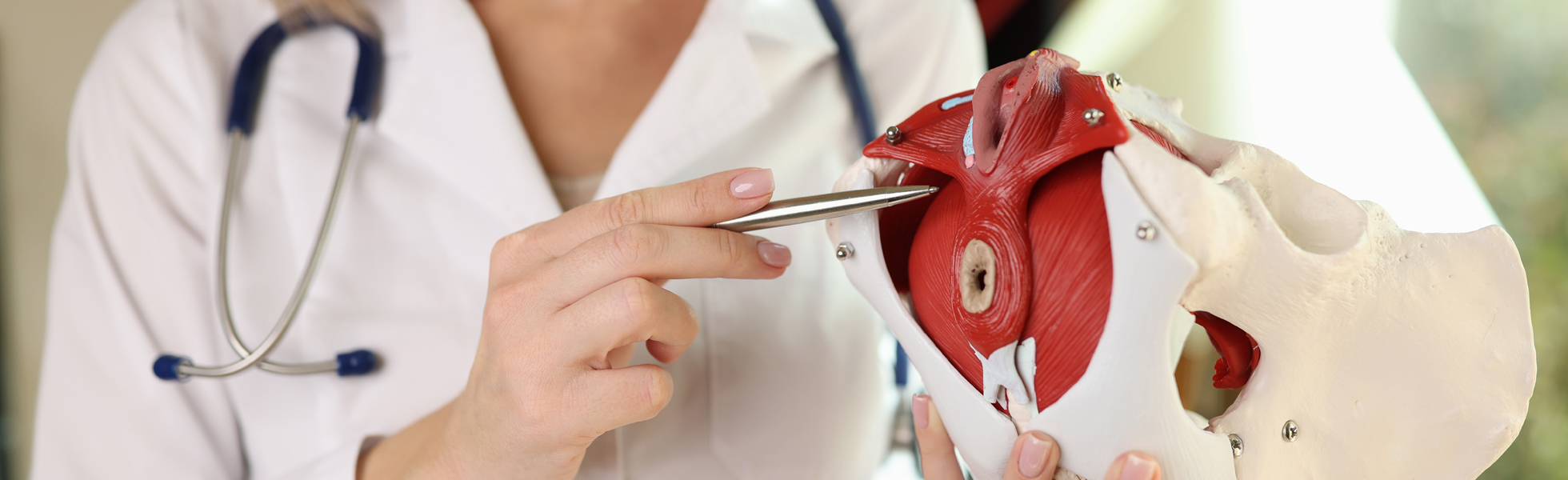
What is pelvic organ prolapse?
Also sometimes known as a vaginal prolapse, a pelvic organ prolapse occurs when the tissues and ligaments supporting your bladder, bowel, and uterus become weak and unstable, causing one or more of these organs to sink into your vagina. While some women may be entirely unaware they have a prolapse, the symptoms of a pelvic organ prolapse in the more advanced stages can include:
- A noticeable mass or lump in your vagina
- A heavy, dragging, or full sensation in your vagina
- Painful sexual intercourse
- Problems with bowel movements or urination
Fortunately, pelvic organ prolapse responds well to various treatment approaches, both surgical and non-surgical.
Pelvic organ prolapse and urinary incontinence
Urinary incontinence is the inability to hold your bladder, resulting in leaking urine. In women, stress urinary incontinence is the most common, characterised by an involuntary release of urine during activities involving increased pressure in your belly. Actions such as jumping, laughing, coughing, or heavy lifting can all be exacerbating factors.
Pelvic organ prolapse and urinary incontinence can often be found together. Counterintuitively, a prolapse can also hide the presence of incontinence, as the pressure from the prolapse squeezes shut the urethra, the tube that drains urine from your bladder. This is known as occult or hidden urinary incontinence.
Treating a prolapse without a comprehensive examination of bladder dynamics and function can result in unmasking previously hidden incontinence, causing new problems that may need a second surgery to treat. Choosing an appropriately experienced surgeon in pelvic organ prolapse can help to avoid this issue.
Surgery for pelvic organ prolapse
Prolapse surgery aims to restore the support of your bladder, bowel, and uterus in the pelvis, lifting them back into their normal position and relieving your symptoms. It is typically only recommended if conservative treatments have been unsuccessful, including pelvic floor physiotherapy or a vaginal pessary.
Dr Sam’s surgical approach is tailored depending on the size, location, and which organs are involved in the prolapse. Surgery for a prolapse can also be combined with another procedure if you have a related issue, such as urinary incontinence.
Techniques for surgical vaginal prolapse repair include:
Sacrocolpopexy
Which involves attaching a section of mesh to your sacrum (tailbone) to support your pelvic organs. Sacrocolpopexy has a very high success rate (around 90%) at managing a pelvic organ prolapse. Dr Sam can perform this with laparoscopically or as a robot-assisted surgery.
Hysterectomy
A major operation involving the surgical removal of your uterus, which can be performed as a laparoscopic hysterectomy, via the vagina (vaginal hysterectomy), or as open abdominal surgery. Although it can be useful especially if you’ve had a uterus prolapse, it does mean you will no longer be able to fall pregnant.
Colporrhaphy
The use of stitches to strengthen the connective tissues supporting the vagina and prevent your pelvic organs from prolapsing. A colporrhaphy is successful at repairing the prolapse in 70-90% of cases.
All types of pelvic organ prolapse surgery comes with the risk of complications, including developing a prolapse again or having bladder problems post-op. Dr Sam will discuss the advantages and risks of the surgical procedure he believes is most suitable for your condition before proceeding.
Surgery for pelvic organ prolapse on the Northern Beaches with Dr Sam Daniels, fellow of the Australasian Gynaecological Endoscopy & Surgery Society (AGES)
With extensive advanced training in surgical techniques, Dr Sam has earned a reputation for successfully managing surgical cases that have been previously dismissed as too complex. He offers vaginal prolapse surgery with both mesh and non-mesh options, using only techniques that are evidence-based and compliant with Australian guidelines. He is experienced in both laparoscopic and robot-assisted pelvic organ prolapse repair.

Frequently Asked Questions
Dr Sam usually recommends surgery only when conservative, non-surgical treatments have been tried first and found to be unsuccessful at relieving your symptoms. These include pelvic floor physiotherapy and vaginal pessaries.
For most women, a minimally invasive surgical approach to vaginal prolapse repair is the best, which can involve either laparoscopy or robotic surgery. Minimally invasive surgical techniques are associated with a lower risk of complications, less pain, and faster recovery times, allowing you to return to your usual activities much sooner.
Dr Sam is accredited to perform laparoscopic mesh sacrocolpopexy. He typically reserves this technique for women with a significant prolapse that is affecting multiple areas, or if you have had a previous surgery that has failed to correct the prolapse. As with all his patients, Dr Sam will ensure you are fully informed of the risks and benefits of your operation before proceeding. Please note that Dr Sam does not perform vaginally-placed mesh repairs.
Your out-of-pocket fees will be determined by several factors, including the specific surgical technique required for your case, your private health insurance cover, and Medicare eligibility. Dr Sam will be able to provide a more accurate quote for your operation after your initial consultation.
Specialist care for women’s health concerns
Comprehensive care with Dr Sam Daniels is available across multiple Sydney locations, including urgent gynaecologist appointments for time-sensitive cases.