

Robotic Gynaecology Surgery
Robotic surgery, also known as robot-assisted surgery, is the latest in surgical innovation. This minimally invasive technique allows enhanced precision for highly complex surgical procedures, but requires advanced training and experience to perform safely and effectively.
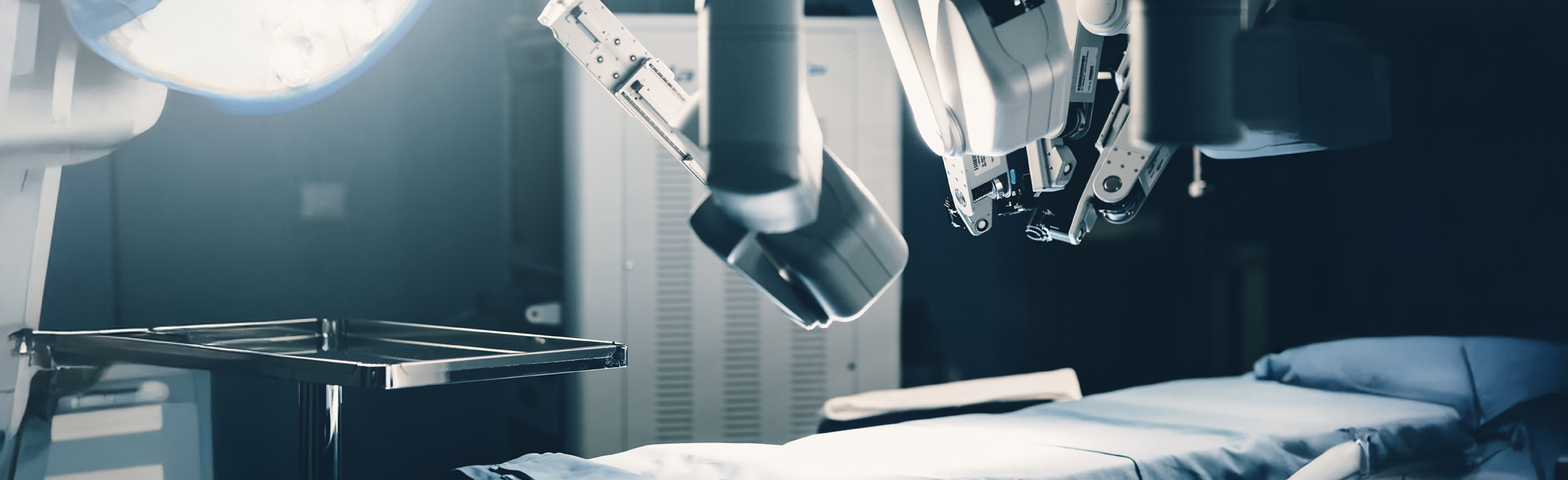
Robot-assisted surgery in gynaecology
Traditionally, gynaecological surgery was performed through large open cuts. Though this is an effective method of accessing the necessary internal organs and tissues, open surgery is associated with increased risks and prolonged recovery times.
While open surgery still has an important role in certain cases, modern gynaecological surgery now aims for a minimally invasive approach. Laparoscopic surgery is one such minimally invasive surgical technique, creating small keyhole incisions in your belly to insert a long, thin tool known as a laparoscope, as well as other surgical instruments. In conventional laparoscopy, these instruments are controlled directly by the surgeon’s hands and a two-dimensional view of the inside of your pelvis and abdomen is displayed on a screen.
Robotic surgery is essentially an advanced form of laparoscopy. The same keyhole incisions are created in your belly to insert surgical tools, but these tools are now manipulated by robotic arms. Your surgeon maintains full control of these arms from an operating console in the room, but is now equipped with greater dexterity and a high-definition 3D view of your abdominal and pelvic structures via the robotic surgery system.
When is robotic surgery recommended?
Robotic surgery is a valuable alternative to conventional laparoscopy for a wide variety of gynaecological conditions. It is especially preferred if you require a multidisciplinary approach or if your condition is particularly complex.
Robot-assisted gynaecology surgery can be used for:
- Endometriosis treatment
- Hysterectomy (surgical removal of the uterus)
- Pelvic organ prolapse repair
- Incontinence surgery
- Myomectomy (removal of fibroids)
- Surgery for ectopic pregnancies
- Surgery of pelvic scarring/adhesions
- Ovarian cystectomy (removal of ovarian cysts)
- Treatment of pelvic inflammatory disease
In certain situations, robot-assisted gynaecology surgery may not be recommended. After your initial consultation and thorough preliminary investigations, Dr Sam will advise you if robotic surgery is not likely to be safe or effective for you.
What are the benefits of robotic gynaecology surgery?
Robot-assisted surgery in gynaecology and other medical specialties typically comes with a number of significant benefits. Compared to open surgery, robotic gynaecological surgery is associated with:
- Improved high-definition 3D view of internal tissues and organs
- Allowing for smaller incisions compared to open surgery, which are associated with less visible scars
- Finer motor control and dexterity when manipulating surgical instruments, as the robotic arms have a wider range of motion not achievable with human hands
- Reduced post-operative pain
- Shorter hospital stay and therefore lower associated costs
- Quicker recovery so you can get back to your normal life
- Earlier return to work, minimising lost income
- Lower risk of complications, such as bleeding and infection
Risks and disadvantages of robotic surgery
Though robotic surgery does reduce many of the risks and problems associated with conventional surgical approaches, all forms of surgery come with potential complications. This includes the risk of infection, bleeding, or a reaction to the anaesthetic.
Robot-assisted surgery is also typically associated with higher fees due to the cost of purchasing and maintaining the robotic system, and an increased overall time spent in the operating theatre because of the required machine set-up.
High precision robotic surgery in Sydney with Dr Sam Daniels
In alignment with the position of the Royal Australian and New Zealand College of Obstetricians and Gynaecologists (RANZCOG) and the Australasian Gynaecological Endoscopy & Surgery Society (AGES), Dr Sam Daniels has completed advanced training and credentialing in robotic surgery. This equips him to appropriately advise you when robot-assisted surgery is in your best interests and likely to offer superior outcomes, or whether another surgical technique is more suitable. Dr Sam performs robotic gynecology surgery in Sydney across multiple convenient locations, including Macquarie Park, St Leonards, and the Northern Beaches.

Frequently Asked Questions
All conditions that can be treated with conventional laparoscopy can be considered for robot-assisted surgery. This includes endometriosis, uterine fibroids, ovarian cysts, hysterectomy, and more. However, not all women will be suited for robotic surgery; Dr Sam assesses suitability on a case-by-case basis.
Recovery from robotic gynaecology surgery is usually quick though can look different for each individual. Most women will go home the next day. You can expect to return to your usual day-to-day activities after two weeks, and feel back to your normal self at around four weeks.
Robotic surgery does tend to be associated with higher fees compared to conventional laparoscopy due to the cost of purchasing and maintaining the robotic system. Your out-of-pocket costs will ultimately be determined by the specific procedure you need and your private health insurance. Dr Sam will provide a breakdown of your expected surgery fees after your initial consultation.
Specialist care for women’s health concerns
Comprehensive care with Dr Sam Daniels is available across multiple Sydney locations, including urgent gynaecologist appointments for time-sensitive cases.