

What is Pelvic Pain?

What is Pelvic Pain?

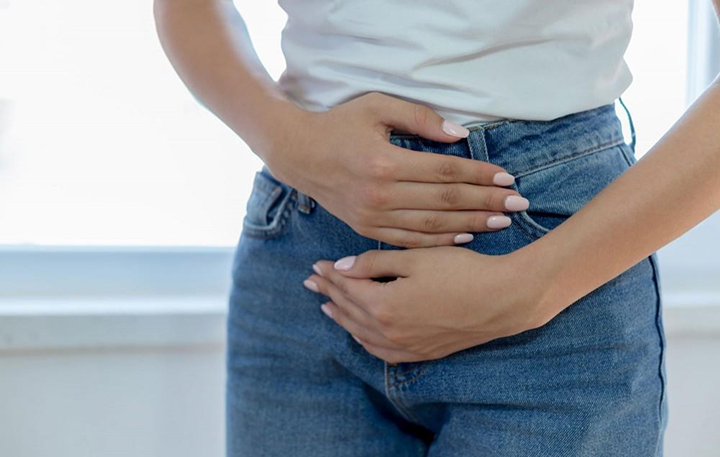
Pelvic pain refers to pain that is for at least 6 months duration and occurs below the belly button and is severe enough to affect activities of daily living. Sadly, this is a very common presentation to a Gynaecologist and accounts for roughly 10% of referrals.

Living with pelvic pain is not normal and no woman should have to normalise this concern. It is an incredibly complex condition, but there certainly are highly effective treatments out there once the diagnosis has been made. 

What are some common causes of pelvic pain?

What are some common causes of pelvic pain?

Potential causes of persistent pelvic pain are:

  • Endometriosis
  • Fibroids
  • Adenomyosis
  • Pelvic Infection or pelvic inflammatory disease
  • Pelvic muscle pain
  • Non-gynaecological causes musculoskeletal conditions, chronic urinary tract infections, irritable bowel syndrome or painful bladder syndrome
  • Neuropathic
  • Adhesions/scar tissue

Pelvic pain can be acute, chronic and recurrent and can interfere with daily duties impacting quality of life. No woman should live with pelvic pain and symptoms can often be dismissed. 
What should a patient expect?

What should a patient expect?

Every patient is different and will have a unique bespoke journey for their treatment of their pelvic pain.  

Patients should expect an initial 45 minute consultation that can be performed face to face of via telehealth. During the consultation:

  • A detailed history will be taken
  • In most cases, a pelvic examination with use of a speculum is required
  • Review of (or ordering) investigations such as a pelvic ultrasound or an MRI

A discussion on treatment planning will occur identifying your goals as a patient and should surgery be indicated there will be a detailed discussion about the processes, risks, costs, post-surgical management as well as time frames.

FAQs

How do you relieve pelvic pain?

Pelvic pain is a complex presentation and one size does not fit all. Sam works alongside a multi-disciplinary team and this can include your primary health practitioner, pain specialist, pelvic physiotherapist, dietician and many other members of the health care team. Surgery can often be beneficial for management of pelvic pain, especially if a woman has undiagnosed endometriosis, however it is not the only option.  

Can pelvic pain go away on its own?

Pelvic pain will rarely resolve on its own, it is important to address the underlying cause of the pelvic pain.  

How can Dr. Sam Daniels help with pelvic pain?

Dr Sam Daniels has a specialist interest in pelvic pain and the management of endometriosis, he approaches pelvic pain with a patient inclusive focus identifying that every woman should be part of the management care plan and help decide what intervention is best moving forward.  

How do I know if I need pelvic pain treatment?

No woman should suffer from regular pelvic pain. If you are experiencing pelvic pain then it is worth seeking a consultation to assess treatment options to help improve your pain and overall quality of life.  

What can I expect for the management of my pelvic pain?

Pelvic pain is complex and will often involve a multi-disciplinary team treatment pathway, engagement with other specialties such as urology, gastroenterology, pain management specialist as well as use of pelvic floor physiotherapists, dieticians and your general practitioner can occur.