

What Are Uterine Fibroids?

What Are Uterine Fibroids?

Fibroids are typically non-cancerous (benign) growths of the uterus. This is a common condition that can be found in up to four out of five women in their lifetime. They can present in a number of ways, many women will be asymptomatic. Depending on the size and nature of the fibroid, some women can experience heavy menstrual bleeding, pain or even pressure sensations with a palpable mass in the abdomen.

There are three different locations of fibroids within the uterus:

  • inside the inner layer of the uterus (submucosal)
  • inside the muscle of the uterus (intramural) 
  • on the outer surface of the uterus (subserosal).
What are common symptoms of uterine fibroids?

What are common symptoms of uterine fibroids?

Many patients may be asymptomatic and fibroids are found incidentally on a pelvic ultrasound or other imaging. However, depending on the location, size and nature of the fibroid, some patients may experience: 

  • Ongoing heavy or irregular bleeding
  • Difficulty conceive or recurrent miscarriages (pregnancy loss)
  • Pain
  • Pressure symptoms
  • Difficulty opening your bladder or bowel
What should a patient expect?

What should a patient expect?

Every patient is different and will have a unique bespoke journey for their treatment of their uterine fibroids.

Patients should expect an initial 45 minute consultation that can be performed face to face of via telehealth.

During the consultation:

  • A detailed history will be taken
  • In some cases, a pelvic examination with use of a speculum is required
  • Review of (or ordering) investigations such as a pelvic ultrasound or MRI

A discussion on treatment planning will occur identifying your goals as a patient and should surgery be indicated there will be a detailed discussion about the processes, risks, costs, post-surgical management as well as time frames. 

FAQs

How are fibroids diagnosed?

Fibroids are often diagnosed after a thorough history, pelvic examination and use of imaging such as a transvaginal pelvic ultrasound.

What symptoms do fibroids cause?

Fibroids can cause many different symptoms, such examples can include heavy periods, painful periods, pressure sensation or a notable mass or bulge in the abdomen.

Do all fibroids require surgery?

No, not necessarily. It all depends on the size and location of the fibroid as well as the presenting symptoms of the patient.

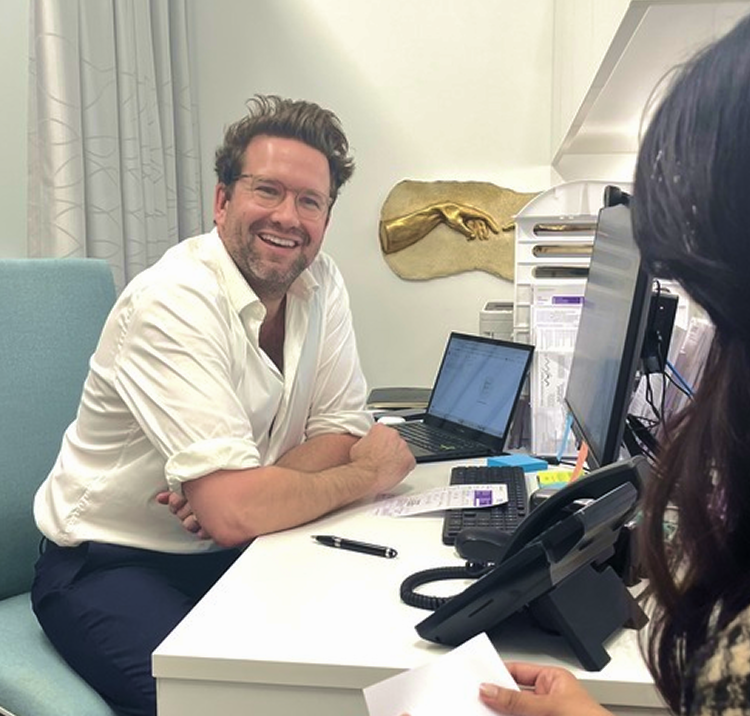
Why choose Dr Sam Daniels as my fibroid specialist in Sydney?

Sam has the highest level of surgical training recognised in Australia. He is a level 6 AGES laparoscopic accreditation benign gynaecological surgeon, meaning he has advanced surgical skills specialising in minimally invasive surgery and complex surgical cases. A structured and considered surgical approach is essential when removing fibroids with the ability to mitigate against excessive bleeding or damage to the uterine structure.

Sam makes his patients feel at ease. His easy going personality instantly helps patients navigate complex personal issues whilst feeling safe, heard and involved in their health journey.

Where can I see Dr Sam Daniels for a fibroid consultation?

Sam consults across multiple locations for your convenience, you can book an initial consultation with him in any of his rooms in North Sydney, Northern Beaches Hospital, Manly or Mona Vale.

What are the surgical approaches for a myomectomy (fibroid removal)?

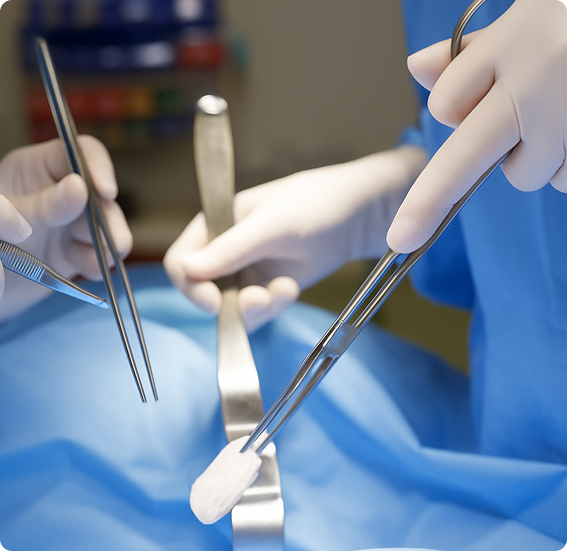
The surgical approach will depend on the size, number and location of the fibroids. Sometimes a multi-pronged approach is required. Fibroids can be removed hysteroscopically, laparoscopically or by robotic assisted surgery .