
Dr Sam Daniels is a pelvic pain specialist with an expertise in managing complex pelvic pain cases in Sydney.
Sam has undertaken additional training in minimally invasive surgery to best treat pelvic pain.

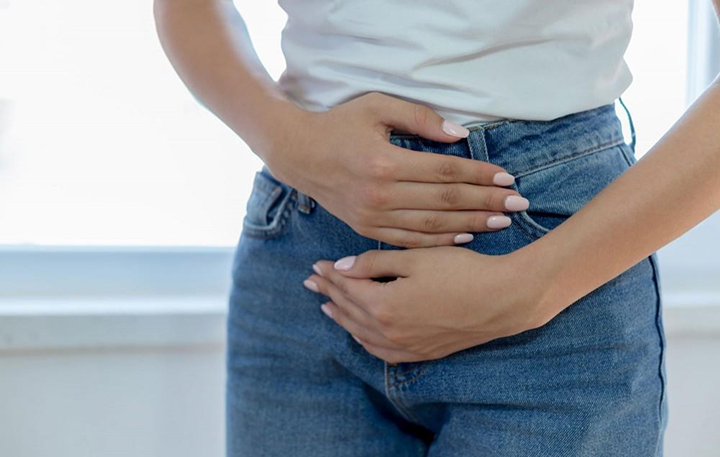
Pelvic pain refers to pain that is for at least 6 months duration and occurs below the belly button and is severe enough to affect activities of daily living. Sadly, this is a very common presentation to a Gynaecologist and accounts for roughly 10% of referrals.
Living with pelvic pain is not normal and no woman should have to normalise this concern. It is an incredibly complex condition, but there certainly are highly effective treatments out there once the diagnosis has been made.

Potential causes of persistent pelvic pain are:
Pelvic pain can be acute, chronic and recurrent and can interfere with daily duties impacting quality of life. No woman should live with pelvic pain and symptoms can often be dismissed.
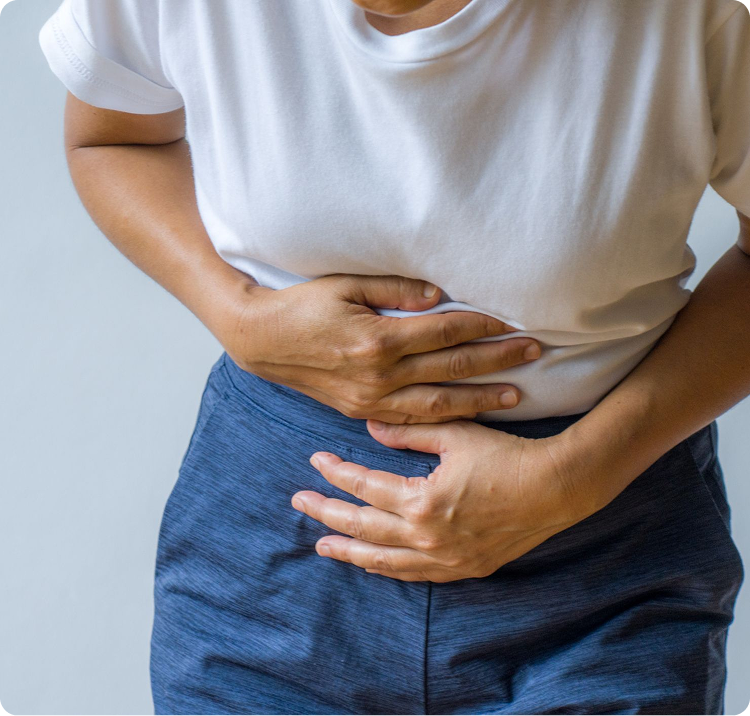
Treatment options for pelvic pain is often complex and involves multi-disciplinary care. Some common gynaecological pathologies can be the underlying cause of your pelvic pain and these can often be readily treated.
Endometriosis is a condition where the tissue similar to the lining of the uterus is found in areas outside of your uterus in the pelvis, such as your ovaries, bladder or even bowel.
It affects 1 in 7 women in Australia and on average takes 6.5 years to be diagnosed with Endometriosis.
Management of endometriosis can include surgical excision of the tissue and use of medications to suppress the growth and associated symptoms of endometriosis.
Pelvic floor dysfunction is a condition where the muscles of the pelvic floor are weak or too tight, leading to pain. Pain can occur with periods, urination, opening your bowels and more commonly pain during intercourse. This management is really best addressed by multi-disciplinary input which may include a gynaecologist, pelvic floor physiotherapist and on occasion psychologist.
Fibroids are benign growths of the uterus and they can cause pelvic pain through increasing the size and growth of the uterus causing pressure sensation and pelvic congestion. Ovarian cysts can have multiple different origins and can cause pelvic pain in a range of ways. In the setting of persistent pelvic pain, surgical intervention for both fibroids and ovarian cysts is often indicated and a minimally invasive approach is preferrable.
Pelvic inflammatory disease is an infection in the female reproductive organs that cause severe pelvic pain. There are two main types of pelvic inflammatory disease, sexually acquired or non-sexually acquired. Treatment is very patient dependent and can involve surgical drainage or removal of abscesses, use of antibiotic therapy and other medications to manage pain.

Every patient is different and will have a unique bespoke journey for their treatment of their pelvic pain.
Patients should expect an initial 45 minute consultation that can be performed face to face of via telehealth. During the consultation:
A discussion on treatment planning will occur identifying your goals as a patient and should surgery be indicated there will be a detailed discussion about the processes, risks, costs, post-surgical management as well as time frames.
Pelvic pain is a complex presentation and one size does not fit all. Sam works alongside a multi-disciplinary team and this can include your primary health practitioner, pain specialist, pelvic physiotherapist, dietician and many other members of the health care team. Surgery can often be beneficial for management of pelvic pain, especially if a woman has undiagnosed endometriosis, however it is not the only option.
Pelvic pain will rarely resolve on its own, it is important to address the underlying cause of the pelvic pain.
Dr Sam Daniels has a specialist interest in pelvic pain and the management of endometriosis, he approaches pelvic pain with a patient inclusive focus identifying that every woman should be part of the management care plan and help decide what intervention is best moving forward.
No woman should suffer from regular pelvic pain. If you are experiencing pelvic pain then it is worth seeking a consultation to assess treatment options to help improve your pain and overall quality of life.
Pelvic pain is complex and will often involve a multi-disciplinary team treatment pathway, engagement with other specialties such as urology, gastroenterology, pain management specialist as well as use of pelvic floor physiotherapists, dieticians and your general practitioner can occur.